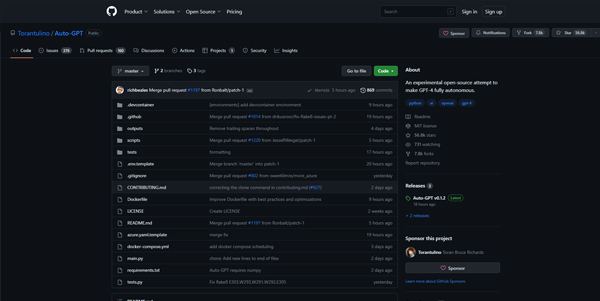
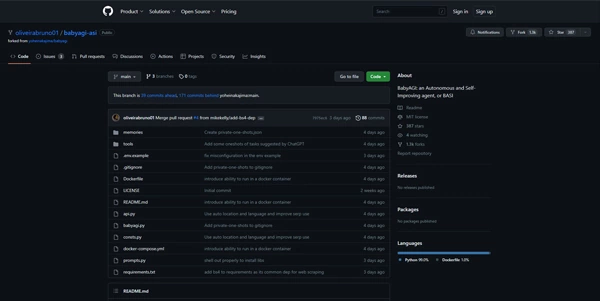
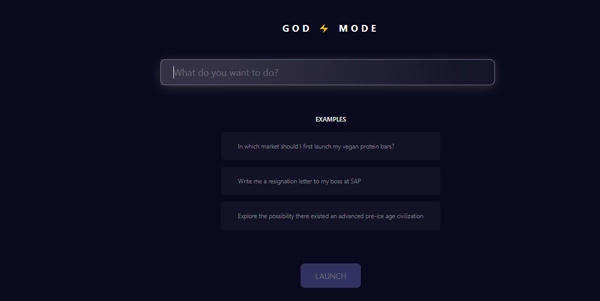
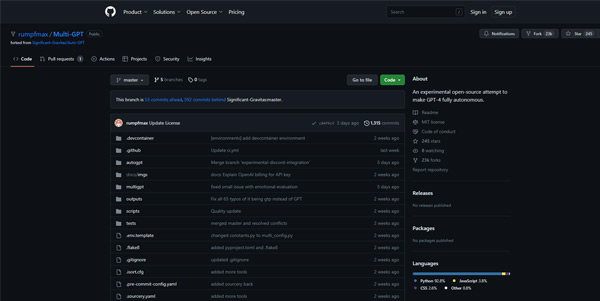
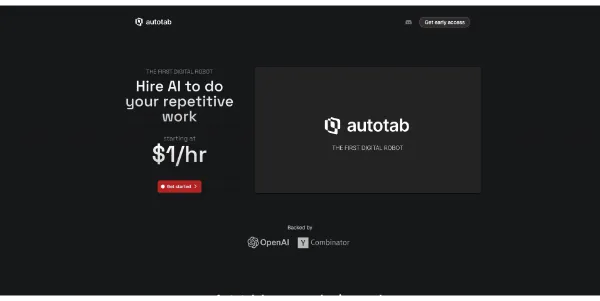
Unlike a chatbot that only replies to what you type, an AI agent can plan, take actions, and complete multi-step tasks on its own — browsing the web, running code, calling other tools, and adjusting its plan as it goes. This category rounds up the leading autonomous AI agents and multi-agent frameworks, from open-source research projects to production-ready automation platforms.
What Is an AI Agent?
An AI agent is a system built on top of a large language model that can break a goal into steps, decide which tools or APIs to use for each step, execute those actions, and evaluate the result before deciding what to do next — with little or no human input between steps. This loop of plan → act → observe → adjust is what separates an agent from a standard chatbot.
Types of AI Agents in This Category
Autonomous Task Agents
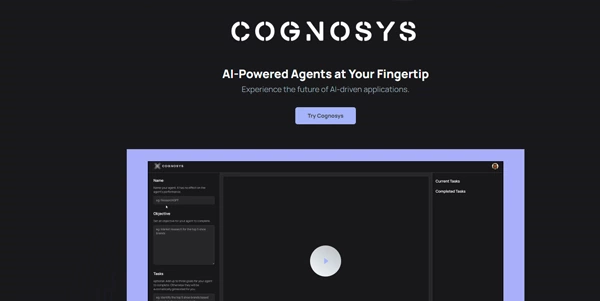
Give the agent a high-level goal — like “research competitors and summarize pricing” — and it independently breaks the task into sub-steps, searches the web, and compiles the result without step-by-step instructions.
Multi-Agent Frameworks
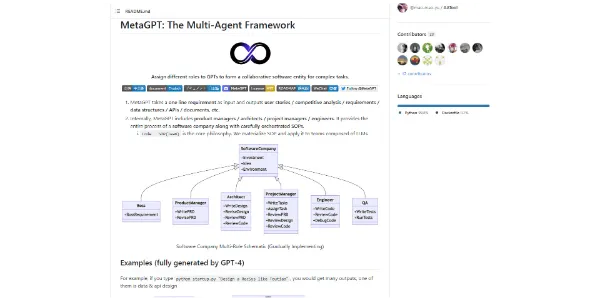
Instead of one agent doing everything, these frameworks coordinate a team of specialized agents (a researcher, a writer, a reviewer) that collaborate on a single task, each handling the part it’s best suited for.
Coding & Software Agents
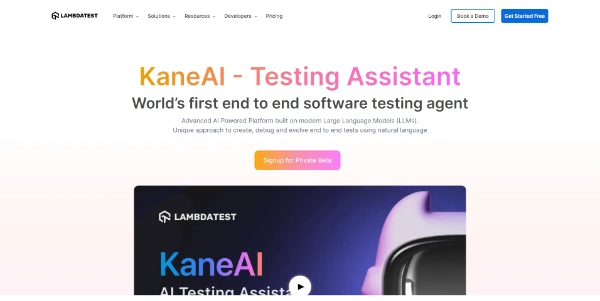
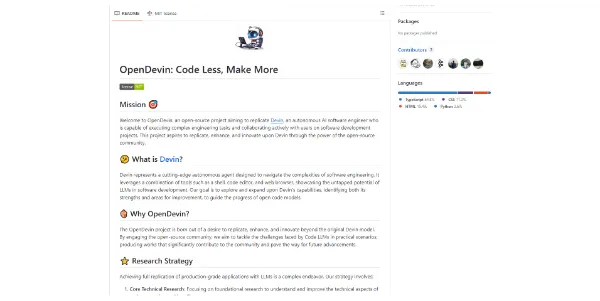
Agents focused on software engineering: reading a codebase, writing and testing patches, fixing bugs, or even opening pull requests with minimal human oversight.
Browser & Workflow Automation Agents
These agents control a browser or business tools directly — clicking, filling forms, and moving data between apps — to automate repetitive workflows that would otherwise need custom scripts or Zapier-style integrations.
Key Features to Compare
- Tool access — which tools the agent can call: web search, code execution, file access, or third-party APIs.
- Autonomy level — fully autonomous vs. requiring approval before each major action.
- Memory — whether the agent remembers context across sessions or only within a single run.
- Open-source vs. hosted — self-hosted frameworks give more control; hosted platforms are faster to set up.
- Cost model — agents can burn through API tokens quickly on long autonomous runs, so check pricing before large-scale use.
Who Uses AI Agents?
Developers use coding agents to speed up debugging and refactoring; operations teams use workflow agents to automate repetitive data-entry and reporting tasks; researchers use autonomous agents for open-ended information gathering; and startups use multi-agent frameworks to prototype complex automations without building custom infrastructure.
The Future of AI Agents
AI agents are one of the fastest-moving areas of artificial intelligence, with new frameworks improving reliability, memory, and tool use every few months. Below, explore our curated, regularly updated list of the best AI agents and multi-agent frameworks — compare autonomy level, tool access, and pricing to find the right fit for your workflow.
Frequently Asked Questions
What is the difference between an AI agent and a chatbot?
A chatbot responds to messages one at a time and waits for your next instruction. An AI agent can plan a multi-step task on its own, take actions like browsing the web or running code, check the results, and keep going until the goal is complete — without needing a new prompt for every step.
Are AI agents safe to give autonomous access to my tools and data?
Most platforms let you control how much autonomy the agent has, from full approval-before-action mode to fully autonomous runs. For sensitive tasks, it is safer to start with approval-required mode and expand permissions gradually once you trust the agent’s behavior.
Do I need to know how to code to use an AI agent?
No. Many AI agent platforms offer a no-code interface where you describe the goal in plain language. Developer-focused frameworks like coding agents or multi-agent orchestration tools do assume some technical background to configure.
What can AI agents actually do today?
Current AI agents can research topics online, write and debug code, fill out forms, move data between apps, summarize documents, and automate repetitive workflows. They are best at well-defined, tool-assisted tasks, and still benefit from human review on complex or high-stakes decisions.
Are open-source AI agent frameworks better than hosted platforms?
It depends on your needs. Open-source frameworks give full control and can run on your own infrastructure, which suits developers who want customization. Hosted platforms are faster to set up and maintain, which suits teams that want to start automating without managing infrastructure.
Can AI agents work together on the same task?
Yes. Multi-agent frameworks let you assign different roles — such as a researcher, a writer, and a reviewer — to separate agents that collaborate and pass work to each other, which often produces more reliable results than a single agent handling everything.