From customer-support widgets that answer questions in seconds to custom AI characters you can chat with for fun, AI chatbots have become one of the most practical applications of artificial intelligence. This category collects the best chatbot builders and ready-made conversational AI tools, so you can add a chatbot to your website or explore a new AI companion without writing a single line of code.
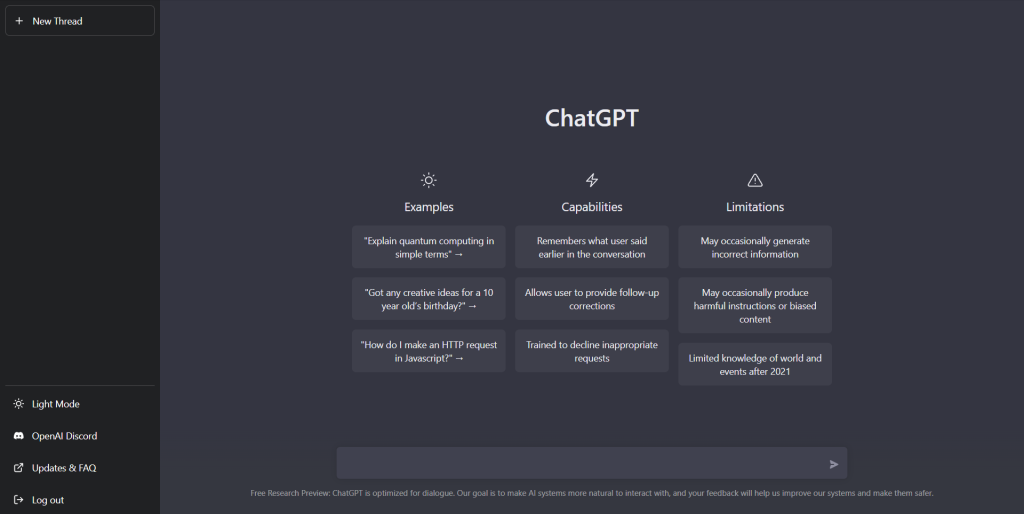
An AI chatbot is a program that holds a natural, back-and-forth conversation with a user, powered by a large language model. Unlike older rule-based bots that could only follow scripted menus, modern AI chatbots understand context, remember earlier parts of the conversation, and generate original responses rather than picking from a fixed list of answers.
Embedded directly on a website or social page, these chatbots answer FAQs, qualify leads, and hand off to a human agent when needed — reducing response time and support workload around the clock.
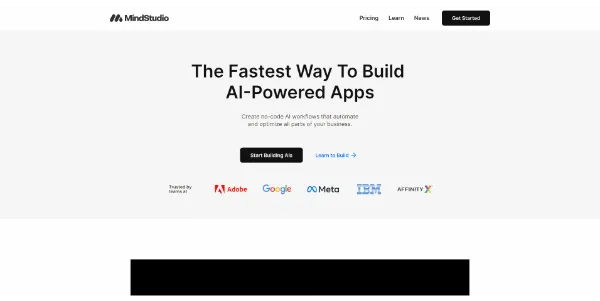
Drag-and-drop platforms that let anyone design a custom chatbot’s personality, knowledge base, and conversation flow without any programming, then deploy it to a website, WhatsApp, or messaging app.
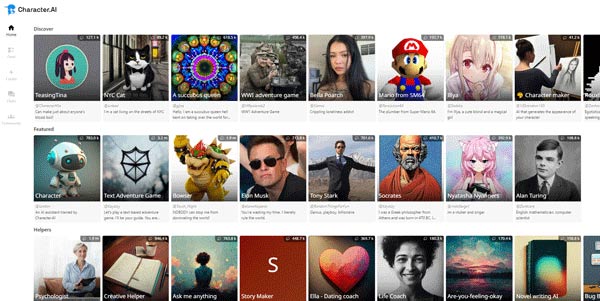
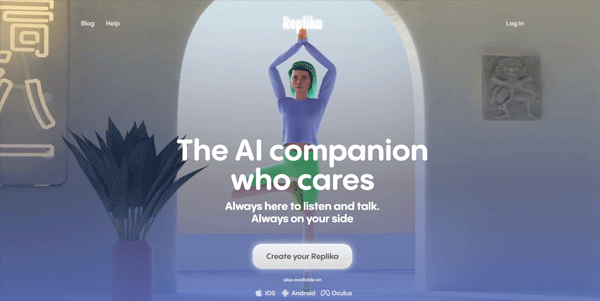
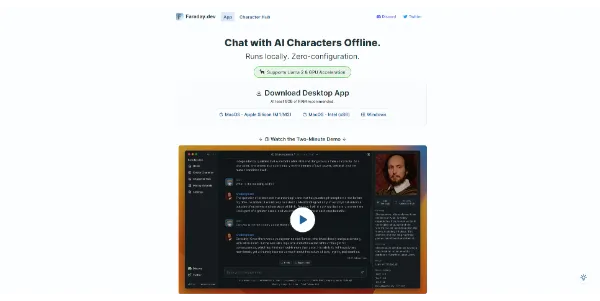
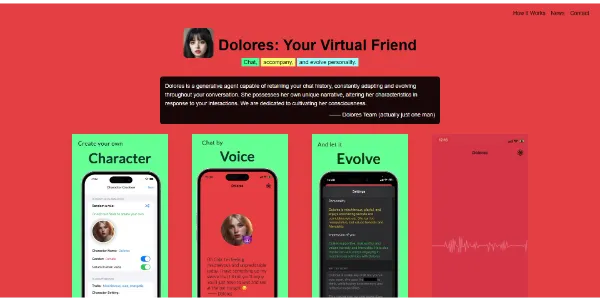
Built for entertainment and roleplay, these tools let you chat with custom AI personas — from original characters to AI clones of real people — with distinct personalities and conversation styles.
Chatbots that go beyond text, offering voice conversation, real-time translation, or language-learning practice through natural spoken or written dialogue.
Businesses use them to automate customer support and lead qualification; marketers use them to boost engagement on social channels; language learners use them for conversation practice; and everyday users turn to companion chatbots simply for entertainment and casual conversation.
Chatbots keep getting better at holding longer, more natural conversations and connecting to real business data in real time. Below, explore our curated, regularly updated list of the best AI chatbots — compare features, deployment options, and pricing to find the right fit for your needs.
The terms overlap, but a chatbot is usually focused on conversation — answering questions or chatting — while a virtual assistant typically also performs tasks like scheduling, sending emails, or controlling other apps on your behalf.
Yes. Most modern chatbot platforms offer a no-code, drag-and-drop builder where you define the bot’s personality, upload your FAQ or website content as a knowledge base, and embed the finished chatbot with a short snippet of code.
It depends on the platform. Many chatbots remember context within a single conversation session, and some support persistent memory across multiple sessions, so returning users don’t have to repeat themselves.
Treat any chatbot conversation like you would an online form — avoid sharing sensitive personal, financial, or medical details unless the platform clearly states how your data is stored and protected, and review its privacy policy first.
Many AI chatbots support multiple languages out of the box, and some are specifically built for translation or language-learning use cases, letting you converse in a second language for practice.
Well-designed support chatbots recognize when a question is outside their knowledge base and hand the conversation off to a human agent instead of guessing, which keeps the customer experience reliable.