AI assistive technology helps people with visual, hearing, mobility, or cognitive differences navigate daily life more independently — from apps that describe the world for visually impaired users to AI-driven prosthetics. This category collects AI tools built specifically to improve accessibility.
What Is AI Assistive Technology?
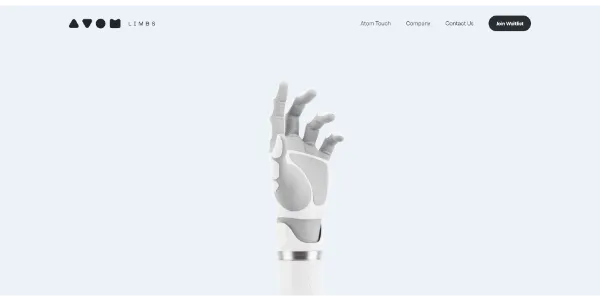
AI assistive technology applies machine learning to accessibility — describing surroundings for visually impaired users, converting text to speech or speech to text for reading and communication support, offering structured mental health check-ins, or powering AI-driven prosthetic limbs for greater mobility.
Types of AI Assistive Technology
Vision & Reading Assistance
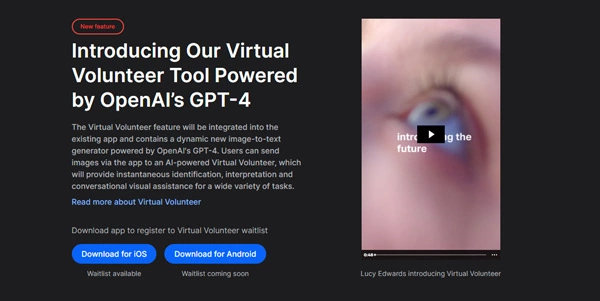
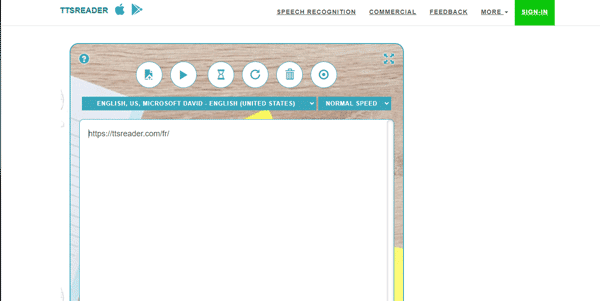
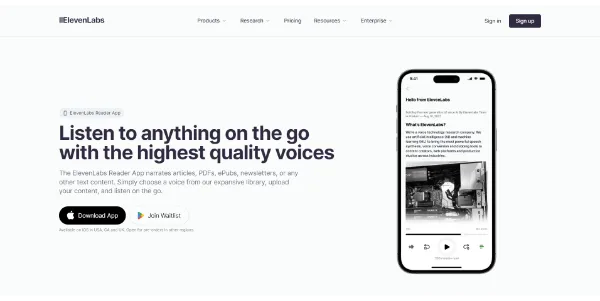
Describe surroundings, objects, or text aloud for visually impaired users, or convert written text into natural-sounding speech for easier reading access.
Communication & Speech Support
Support text-to-speech and speech-to-text needs for users with speech or hearing differences, helping bridge communication gaps.
Mental Health & Wellbeing Support
Structured, accessible check-ins and coping tools that support everyday mental wellbeing, complementing — not replacing — professional mental health care.
Physical Mobility & Robotic Assistance
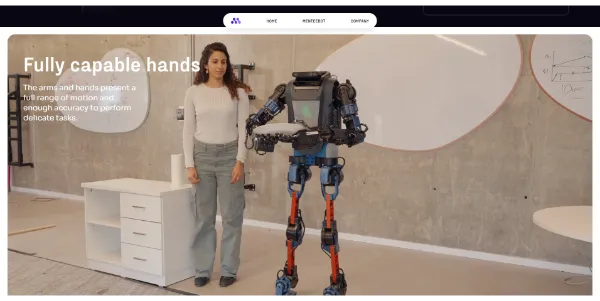
AI-driven prosthetics and mobility aids that use machine learning to respond more naturally to a user’s movements and intentions.
Key Features to Compare
- Ease of use — how accessible the interface itself is, including for users with limited technical experience.
- Reliability — particularly important for tools supporting real-time navigation or communication needs.
- Cost & insurance — for physical assistive devices, whether costs are covered by insurance or require out-of-pocket payment.
- Offline functionality — whether the tool works without an internet connection, important for reliability in daily use.
- Community & support — availability of user support, especially for more complex assistive hardware.
Who Uses AI Assistive Technology?
Visually impaired users rely on description and reading tools for daily navigation and access to written information; people with speech or hearing differences use communication support tools; individuals managing everyday mental wellbeing use accessible check-in tools between professional care; and people with limb differences use AI-driven prosthetics for improved mobility.
An Important Note
These tools are designed to support daily life and independence, but they are not a replacement for professional medical care, therapy, or clinically prescribed assistive devices — consult a qualified healthcare or accessibility professional for your specific needs. Below, explore our curated, regularly updated list of AI assistive technology tools.
Frequently Asked Questions
Are AI assistive technology tools covered by insurance?
It varies significantly by tool, device type, and insurance provider — physical devices like prosthetics are more likely to have coverage pathways than consumer apps, so check with your specific insurance provider and the device manufacturer.
Can these tools replace medical devices prescribed by a doctor?
No, these are general assistive tools, not a replacement for clinically prescribed medical devices or professional care — always follow guidance from your doctor or accessibility specialist for medical-grade equipment needs.
Are AI assistive technology tools free to use?
Many software-based tools (like screen readers or text-to-speech apps) offer free versions, while physical assistive devices generally involve significant hardware costs — check specific pricing for each tool or device.
Are these tools easy to use for people with limited tech experience?
Many are specifically designed with accessibility and simplicity in mind, but ease of use varies by tool — look for options with strong user support and clear setup instructions, especially for more complex hardware.
Can AI mental health check-in tools replace therapy?
No, these tools can offer accessible, everyday support, but they are not a substitute for professional therapy or crisis support — seek help from a licensed professional or crisis service for serious mental health needs.
Do AI-driven prosthetics work better than traditional ones?
AI-driven prosthetics aim to respond more naturally to a user’s movement patterns and intentions, which many users find improves comfort and control, though the right choice depends on individual needs — a prosthetist can help determine the best fit.