From summarizing a dense research paper in seconds to solving a tricky math problem step by step, AI study tools have become a genuine study companion for students and lifelong learners alike. This category brings together the best AI tools for research, learning, and studying — covering everything from language practice to academic paper analysis.
What Is an AI Study Tool?
An AI study tool uses a language model to help with learning tasks: summarizing long documents, explaining a difficult concept in simpler terms, solving math problems with step-by-step reasoning, generating flashcards from notes, or practicing a new language through conversation.
Popular Types of AI Study Tools
Research & Paper Summarization
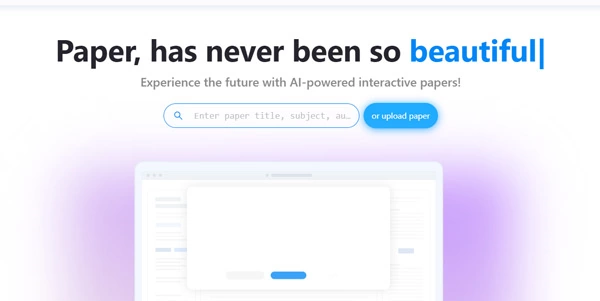
Upload a research paper, textbook chapter, or long article and get a concise summary, key findings, or the ability to ask direct questions about the content instead of reading it in full.
Math & Problem-Solving Assistants
Photograph or type a math problem and get a step-by-step solution, useful for checking homework or understanding the reasoning behind an answer rather than just the final number.
Language Learning Tools
Practice a new language through AI-powered conversation, pronunciation feedback, and personalized lessons that adapt to your current level.
Flashcards, Notes & Study Aids
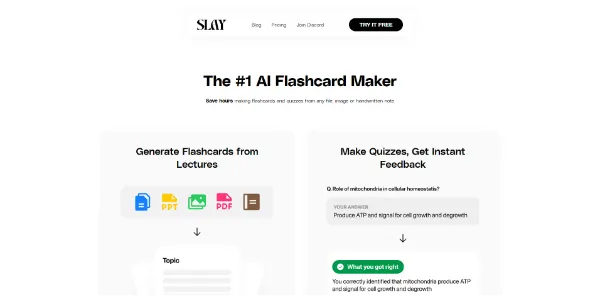
Automatically generate flashcards, quizzes, or organized notes from your existing material, turning passive reading into active study material.
Key Features to Compare
- Source accuracy — for research tools, whether answers cite the actual source material or risk fabricating details.
- File support — which formats (PDF, DOCX, web pages) the tool can read and summarize directly.
- Step-by-step explanations — for math and science tools, whether it shows reasoning or just the final answer.
- Progress tracking — for language learning, whether the tool adapts to your level over time.
- Free usage limits — many tools cap free document uploads or questions per day.
Who Uses AI Study Tools?
Students use them to summarize readings and check homework; researchers and academics use them to quickly digest large volumes of papers; language learners use conversational tools for daily practice; and lifelong learners use flashcard and note tools to retain what they read.
The Future of AI in Education
AI study tools keep improving at explaining reasoning transparently rather than just providing answers, which matters for genuine understanding, not just faster homework. Below, explore our curated, regularly updated list of the best AI study tools — compare features, accuracy, and pricing for your learning needs.
Frequently Asked Questions
Is it considered cheating to use AI study tools for homework?
It depends on your school or institution’s academic integrity policy — many allow AI as a study aid for understanding concepts but prohibit submitting AI-generated work as your own. Check your specific school’s guidelines before relying on these tools for graded work.
How accurate are AI math problem solvers?
AI math tools are generally reliable for standard problems and show step-by-step reasoning, but can occasionally make errors on complex or unusual problems — it’s good practice to verify the reasoning, not just the final answer.
Can AI tools accurately summarize academic research papers?
Modern research summarization tools are quite capable at extracting key findings and methodology, but summaries should be treated as a starting point — always verify critical details against the original paper for academic or citation purposes.
Are AI study tools free for students?
Many offer a free tier with limited uploads or questions per day, with paid or student-discounted plans unlocking higher limits — check each tool for student pricing, which is common in this category.
Are AI language learning tools as effective as traditional apps like Duolingo?
AI conversation-based tools offer more natural, adaptive practice compared to fixed-exercise apps, which can help with real conversational fluency, though a mix of structured lessons and AI conversation practice often works best.
Can I trust citations and sources from AI research tools?
AI research tools that link directly to the original paper or source are generally more trustworthy than ones that only generate a summary, since you can verify the citation yourself — always double-check sources before citing them in your own academic work.