Whether you’re job hunting or hiring, AI HR and career tools now handle a lot of the repetitive work on both sides — writing a tailored resume and cover letter in minutes, prepping for interviews, or helping recruiting teams screen and support employees at scale. This category brings together the best AI tools for resumes, job search, and workplace support.
What Are AI HR & Career Tools?
AI HR and career tools apply language models to job search and workplace tasks: generating a resume tailored to a specific job posting, drafting a personalized cover letter, simulating interview questions, or automating recruiting and internal employee support on the company side.
Popular Types of AI HR & Career Tools
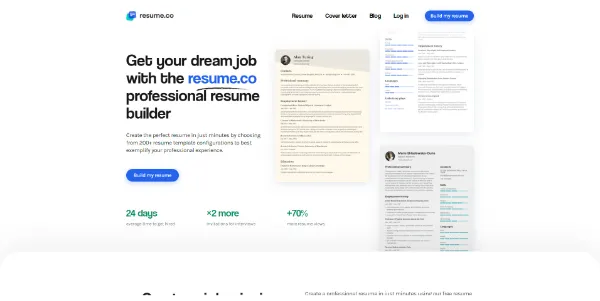
Resume & CV Builders
Generate a polished, formatted resume from your work history, often optimized to pass applicant tracking systems (ATS) that many companies use to filter applications.
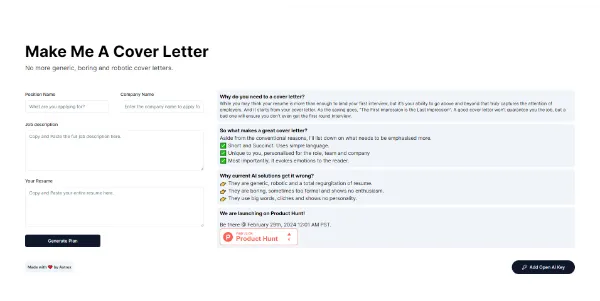
Cover Letter Generators
Draft a tailored cover letter based on your resume and the specific job description, matching tone and keywords to the role you’re applying for.
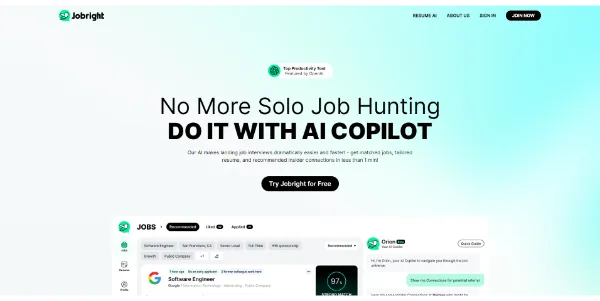
Job Search & Interview Prep
Find relevant job listings faster, or practice interview questions with an AI that gives feedback on your answers before the real conversation.
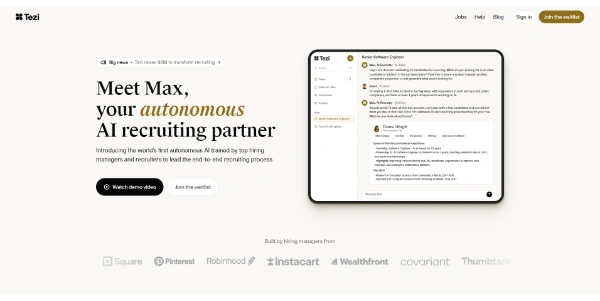
Recruiting & Employee Support Tools
On the employer side, tools that write job descriptions, screen candidates at scale, or automate internal employee questions and HR support requests.
Key Features to Compare
- ATS optimization — for resume tools, whether the format and keywords are checked against applicant tracking systems.
- Personalization depth — how much the tool actually tailors output to a specific job posting versus generic templates.
- Export formats — support for PDF, Word, or direct application platform formats.
- Data privacy — especially relevant for tools processing your resume and personal work history.
- Free usage limits — many resume and cover letter tools cap free downloads or exports.
Who Uses AI HR & Career Tools?
Job seekers use resume and cover letter generators to apply faster without starting from scratch each time; career changers use interview prep tools to build confidence; and HR and recruiting teams use screening and support tools to handle high applicant volume and routine employee questions.
The Future of AI in HR & Careers
These tools keep improving at genuine personalization rather than generic templates, on both the job seeker and recruiter side. Below, explore our curated, regularly updated list of the best AI HR and career tools — compare features, ATS support, and pricing for your job search or hiring needs.
Frequently Asked Questions
Will an AI-written resume get flagged as generic by recruiters?
It can, if you use the output without customization. AI resume tools work best as a starting draft — adding specific achievements, numbers, and details unique to your experience helps it read as genuine rather than templated.
What does ATS-optimized actually mean?
Applicant Tracking Systems (ATS) are software many companies use to scan resumes for keywords and proper formatting before a human sees them. ATS-optimized tools structure your resume and match keywords from the job description to increase the chance of passing this automated screen.
Are AI resume and cover letter builders free?
Many offer a free tier to build a resume, often limiting exports or advanced templates until you upgrade, so check each tool’s free-plan limits before relying on it for your full job search.
Can AI interview prep tools actually improve my interview performance?
Yes, practicing common questions and getting feedback on your answers can build confidence and improve clarity, though it works best combined with researching the specific company and role rather than relying only on generic AI practice questions.
Is it fair for companies to use AI to screen job candidates?
AI screening speeds up processing large applicant volumes, but it can also carry bias from its training data — many companies pair AI screening with human review specifically to catch and correct for this.
Should every cover letter be different, even with AI?
Yes — tailoring a cover letter to the specific job and company generally performs better than sending the same generic letter everywhere, and most AI cover letter tools are designed to personalize output based on the job description you provide.