Traditional search returns a list of links; AI search engines read them for you and give a direct, sourced answer. This category collects the best AI-powered search tools — from full answer engines to browser-integrated assistants and specialized search tools for images, books, and code.
What Is an AI Search Engine?
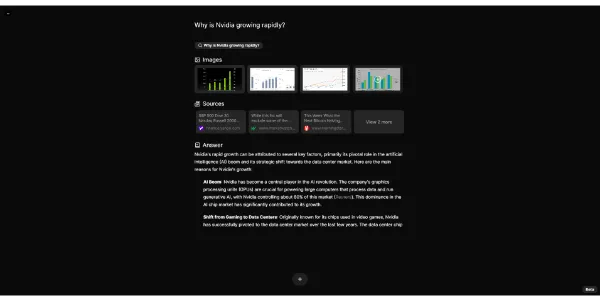
An AI search engine uses a language model to understand your question, search multiple sources, and generate a direct, conversational answer — often with citations — instead of just returning a ranked list of links for you to click through yourself.
Types of AI Search Tools
AI Answer Engines
Ask a question in natural language and get a synthesized answer drawn from multiple web sources, typically with citations you can click through to verify.
Browser-Integrated AI Search
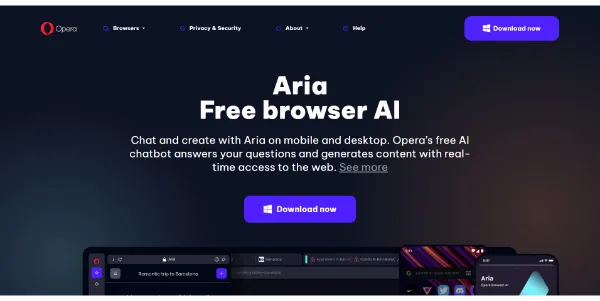
AI assistants built directly into a web browser, letting you ask questions, summarize the page you’re on, or search without switching tabs.
Enterprise & App Search
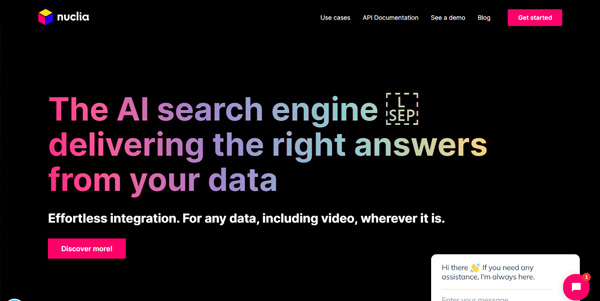
AI-powered search built for a specific website, app, or internal knowledge base, improving relevance beyond basic keyword matching.
Specialized Search Tools
Search engines focused on a specific content type — finding books by describing the plot, searching through millions of images, or exploring datasets — rather than general web search.
Key Features to Compare
- Source citations — whether answers link back to the original sources so you can verify claims.
- Freshness — how current the underlying search index is for fast-moving topics.
- Follow-up questions — whether the tool supports conversational, multi-turn search or only single queries.
- Integration — for enterprise/app search, how easily it plugs into your existing website or knowledge base.
- Privacy — whether your search queries are logged or used for tracking.
Who Uses AI Search Engines?
Researchers use answer engines to gather sourced information faster than manual searching; developers use them for quick, cited technical answers; businesses use app-specific search to help users find content on their own sites; and everyday users adopt them as a faster alternative to traditional search for many questions.
The Future of AI Search
AI search keeps improving at citing sources accurately and handling follow-up questions in context, narrowing the gap with traditional search engines on trust and freshness. Below, explore our curated, regularly updated list of the best AI search tools — compare accuracy, citations, and features for your needs.
Frequently Asked Questions
How is an AI search engine different from Google?
Traditional search engines like Google return a ranked list of links for you to click through. AI search engines read across multiple sources and generate a direct, synthesized answer, often with citations, so you don’t have to visit each page yourself.
Can AI search engines give wrong or made-up answers?
Yes, like any language-model-based tool, AI search engines can occasionally misinterpret a source or generate an inaccurate summary — checking the cited sources for important or high-stakes questions is good practice.
Will AI search engines replace traditional search?
For many everyday questions, AI search offers a faster path to an answer, but traditional search remains useful for browsing options, comparing products, or when you specifically want to see the original source pages yourself.
Are AI search engines free to use?
Many offer a free tier with a daily query limit, with paid plans unlocking unlimited searches, more advanced models, or additional features like file upload and deeper research modes.
Can I add AI search to my own website?
Yes, several tools in this category are built specifically for adding AI-powered search to a website or app, improving on basic keyword search for your own content or knowledge base.
Do AI search engines track my search history?
It varies by provider — check each tool’s privacy policy, as data handling and tracking practices differ between platforms, similar to traditional search engines.