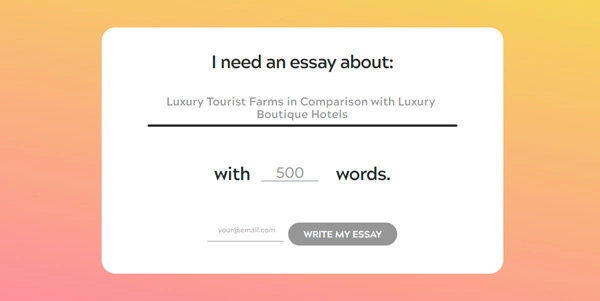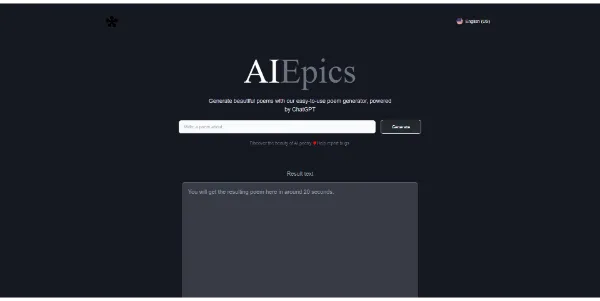

Beyond SEO-focused copywriting, a broader set of AI text generators can produce almost any kind of written content — essays, poems, product descriptions, or a full first draft from a single idea. This category collects general-purpose AI writing tools built for versatility across content types.
AI text generators use language models to produce original written content from a prompt — covering a wide range of formats from creative writing and essays to product descriptions and general-purpose drafting, rather than focusing narrowly on one specific writing task.
Flexible tools that help draft, expand, or refine text across many formats — useful as an all-purpose writing partner for whatever you’re working on.
Built for producing full-length articles, essays, or reports from an outline or topic, handling structure and flow across a longer piece.
Focused on creative output — poems, short stories, and imaginative writing — rather than practical or business-oriented text.
Generate concise, persuasive product descriptions and listing copy at scale, useful for stores with large catalogs.
Writers use them to overcome blank-page blocks and generate first drafts; students use them for essay brainstorming and structure; e-commerce sellers use product copy generators to scale listing content; and hobbyists use creative generators simply for fun, experimental writing.
Output keeps improving in coherence and originality across longer pieces, reducing the generic, repetitive feel of earlier AI writing. Below, explore our curated, regularly updated list of the best AI text generators — compare flexibility, tone control, and pricing for your writing needs.
SEO-focused writing tools are built specifically around keyword optimization and search ranking features, while general text generators are more flexible, covering a wider range of content types like essays, poetry, and creative writing without an SEO focus.
Many tools let you specify a tone (formal, casual, persuasive) or provide examples of your writing style, though results improve when you review and adjust the output rather than using it completely unedited.
Many offer a free tier with a limited word count per month, with paid plans unlocking higher usage limits, longer outputs, and additional features.
AI-generated text is created fresh from the prompt rather than copied from a specific source, but it can still resemble common patterns in its training data — running output through a plagiarism checker is good practice before publishing.
Yes, though quality on longer pieces varies by tool — some maintain good structure and coherence across a full article, while others work better for shorter snippets and need more manual editing for longer formats.
Generally yes — treating AI output as a strong first draft and adding your own specific details, examples, and voice produces better, more original results than publishing generated text unedited.