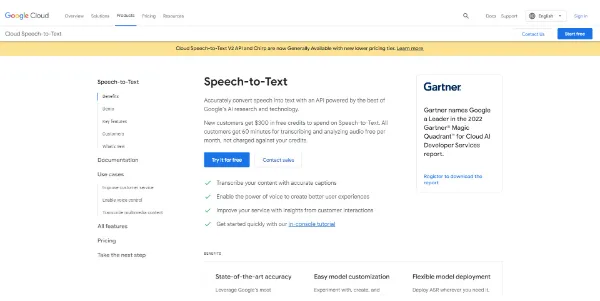
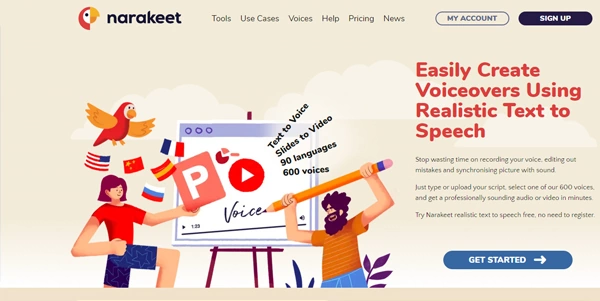
Turn any block of text into natural-sounding speech in seconds — AI text-to-speech tools have moved far beyond the robotic voices of older screen readers. This category collects the best AI voice generators for narration, accessibility, transcription, and content creation.
What Is Text-to-Speech AI?
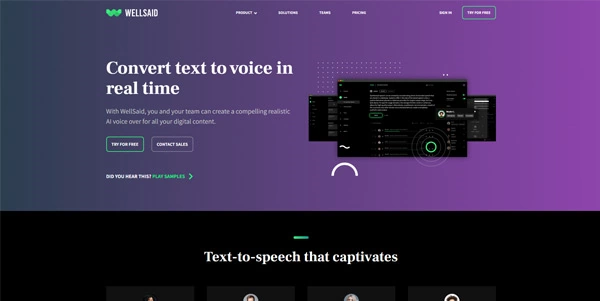
Text-to-speech (TTS) AI converts written text into spoken audio using models trained to reproduce natural human speech patterns — tone, pacing, and emphasis — rather than the flat, robotic output of older synthesized voices.
Types of Text-to-Speech Tools
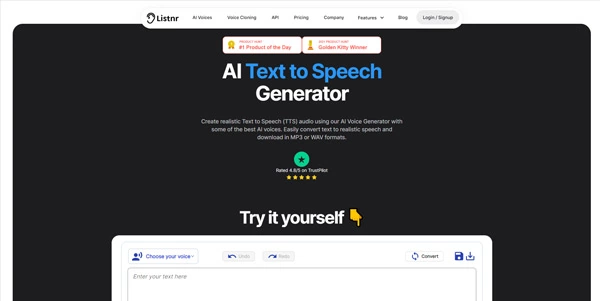
Natural-Sounding Voice Generators
Generate expressive, human-like speech from text, often with a library of voices to choose from, or the ability to adjust tone and pacing for a specific use case.
Multilingual & Accessibility TTS
Support for dozens of languages and accents, and tools specifically designed to make written content accessible to visually impaired or reading-impaired users.
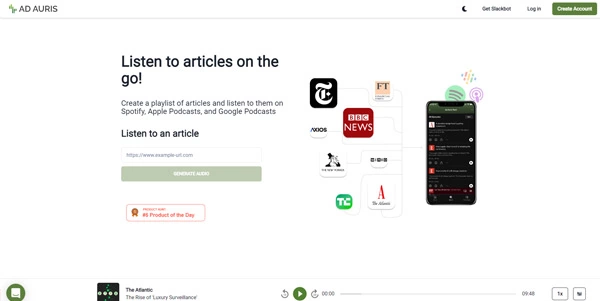
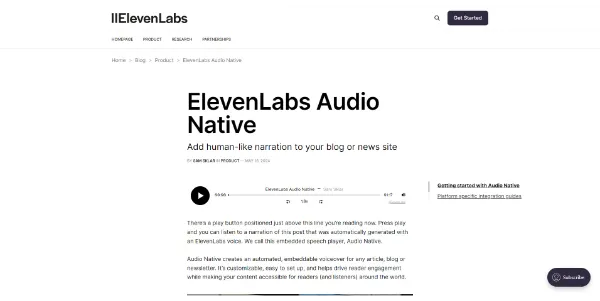
Article & Content Narration
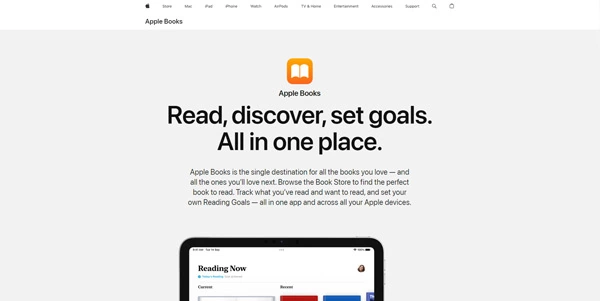
Turn blog posts, newsletters, or articles into an audio version automatically, letting audiences listen instead of read.
Speech-to-Text & Transcription
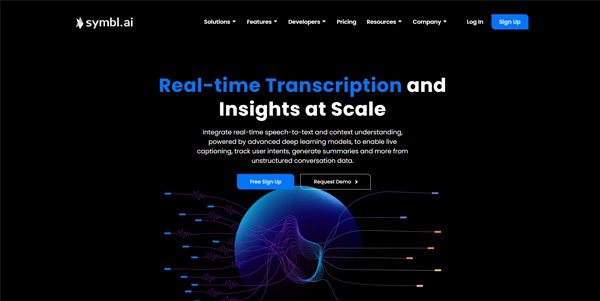
The reverse process — converting spoken audio into accurate written text, often used alongside TTS tools in a full audio content workflow.
Key Features to Compare
- Voice naturalness — how human the generated speech sounds, especially on longer passages.
- Language & accent support — the number of languages and regional accents available.
- Custom voice cloning — whether you can create a synthetic version of your own or a licensed voice.
- Commercial licensing — whether generated audio is cleared for commercial or public distribution.
- Export quality — supported audio formats and bitrate for professional publishing.
Who Uses Text-to-Speech AI?
Content creators use it to turn articles into podcast-style audio; e-learning platforms use it for narrated courses; accessibility advocates use it to make content available to visually impaired users; and businesses use it for automated voice responses and multilingual customer communication.
The Future of Text-to-Speech AI
Voice naturalness and emotional expressiveness keep improving, narrowing the gap between synthetic and human narration. Below, explore our curated, regularly updated list of the best text-to-speech tools — compare voice quality, language support, and pricing for your project.
Frequently Asked Questions
How natural do AI-generated voices sound today?
The best current text-to-speech tools produce quite natural, human-like speech with proper intonation and pacing, though quality varies between tools and can be noticeably more robotic on lower-tier or older systems.
Can I use AI-generated voices commercially?
It depends on the tool and plan — many platforms grant commercial usage rights on paid tiers while restricting free-tier output to personal use, so check licensing terms before using generated audio in monetized content.
How many languages do text-to-speech tools support?
It varies significantly by tool — some support only a handful of major languages, while others cover dozens of languages and regional accents, so check language coverage if you need a specific one.
Are text-to-speech tools free to use?
Many offer a free tier with a limited number of characters or minutes per month, with paid plans unlocking higher usage limits, more voices, and commercial rights.
Can I clone my own voice with AI text-to-speech tools?
Yes, several tools support custom voice cloning from a sample recording, letting you generate speech in your own voice — useful for maintaining a consistent personal brand across content.
Is AI text-to-speech good enough for audiobooks?
Quality has improved significantly and many creators now use AI narration for audiobooks, though the most nuanced, emotionally complex narration (like fiction with varied character voices) can still benefit from human narrators.