From a blank-page blog post to a fully optimized SEO article, AI writing tools can now handle most of the heavy lifting. This category brings together the best AI writers, copywriting assistants, and SEO content tools — so you can draft, edit, and optimize content in a fraction of the time it used to take.
What Is an AI Writing Tool?
An AI writing tool uses a large language model to generate, edit, or improve text based on a prompt or existing draft. Depending on the tool, it can write a full article from a topic and a few keywords, rewrite a paragraph in a different tone, fix grammar mistakes, or optimize existing content for a target search ranking.
Popular Ways to Use AI Writing Tools
SEO Content & Copywriting Generators
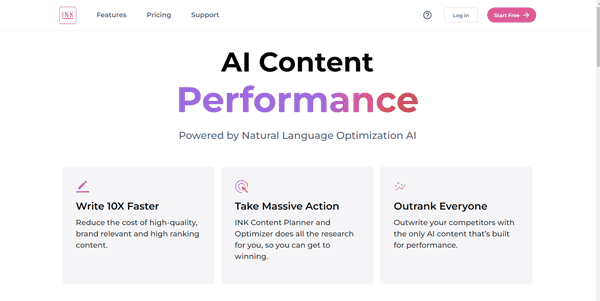
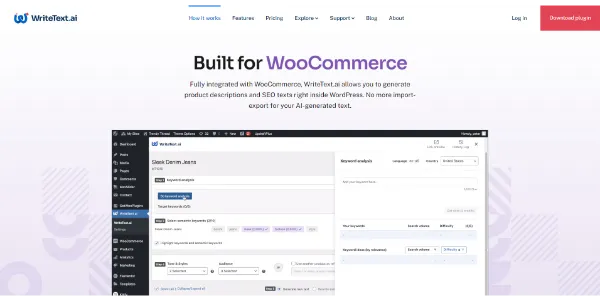
Generate blog posts, product descriptions, and ad copy optimized around target keywords, often with built-in SEO scoring or competitor analysis to guide what to include.
Grammar & Style Checkers
Catch grammar, spelling, and clarity issues in real time as you write, with suggestions for tone, conciseness, and readability beyond basic spell-check.
Paraphrasing & Rewriting Tools
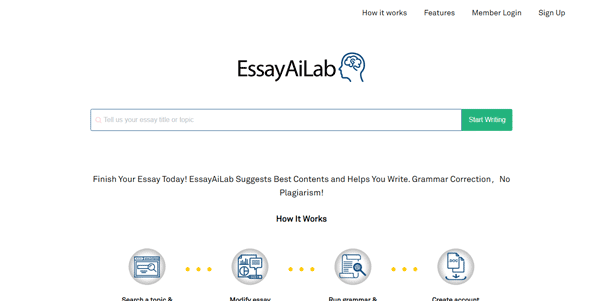
Rewrite existing text in a different tone, simplify complex language, or restructure a paragraph while preserving the original meaning — useful for adapting one piece of content for multiple audiences.
AI Content Detection & Humanizing Tools
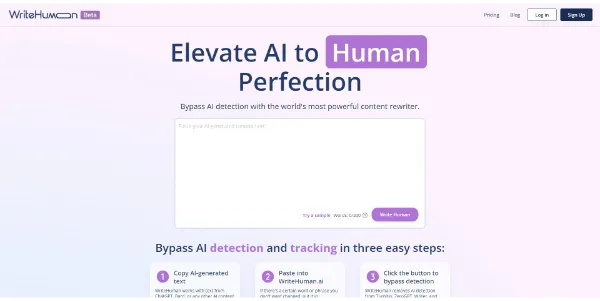
Two sides of the same trend: detectors flag text that looks AI-generated, while humanizing tools rewrite AI output to sound more natural and pass those same detectors.
Key Features to Compare
- SEO features — built-in keyword research, competitor content analysis, or on-page optimization scoring.
- Tone & brand voice — the ability to match a specific writing style consistently across content.
- Plagiarism checking — whether the tool verifies originality before you publish.
- Output length & format — support for long-form articles versus short copy like ads or product descriptions.
- Editing workflow — how easily you can refine AI output rather than starting from a blank generation each time.
Who Uses AI Writing Tools?
Content marketers use them to scale blog and SEO output; e-commerce brands use them for product descriptions at scale; agencies use them to speed up client copywriting; and students and professionals use grammar and paraphrasing tools to polish everyday writing.
The Future of AI Writing Tools
AI writing keeps moving toward more research-grounded, fact-checked, and SEO-aware output rather than generic text. Below, explore our curated, regularly updated list of the best AI writing tools — compare features, SEO capabilities, and pricing to find the right fit for your content workflow.
Frequently Asked Questions
Does Google penalize AI-generated content?
Google has stated it focuses on content quality, not how it was produced — low-quality content is penalized whether written by AI or a human. Well-researched, edited, and genuinely useful content generated with AI assistance can rank, but thin or unedited AI output tends to underperform.
Can AI writing tools replace human writers?
For first drafts, outlines, and repetitive content like product descriptions, AI can significantly speed up the process. Most professional workflows still involve a human editing, fact-checking, and adding original insight before publishing.
What is the difference between paraphrasing and AI writing tools?
Paraphrasing tools rewrite existing text while preserving its meaning, useful for adjusting tone or avoiding repetition. AI writing tools generate original content from a prompt or outline, going beyond rewording existing text.
Can AI content detectors reliably tell if text was written by AI?
AI detectors are not perfectly accurate — they can produce false positives on human-written text and miss AI-generated text that has been edited or “humanized.” Treat detector results as an indicator, not definitive proof.
Are AI writing tools free to use?
Most offer a free tier with limited words or generations per month, with paid plans unlocking longer output, more features, and higher usage limits — check each tool’s pricing page for exact limits before relying on the free version.
Will using AI writing tools hurt my content’s originality?
It depends on how the tool is used. Generating content and publishing it unedited increases the risk of generic or duplicate-sounding text. Using AI as a first draft and adding your own research, examples, and editing keeps content original and valuable.