Best AI Tools in Healthcare (2026)

MedLM by Google MedLM provides specialised AI models
#4

Healthcare

Paid

MedLM provides specialised AI models for the healthcare sector. Highly capable of answering complex medical questions.
Be My Eyes Free application linking visually impaired
#4

AI Assistive technology (AT)

Paid

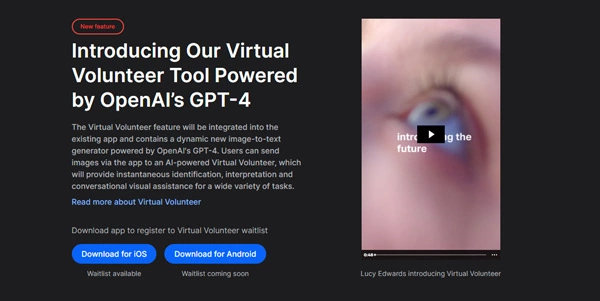
Free application linking visually impaired people to volunteers for real-time visual assistance.
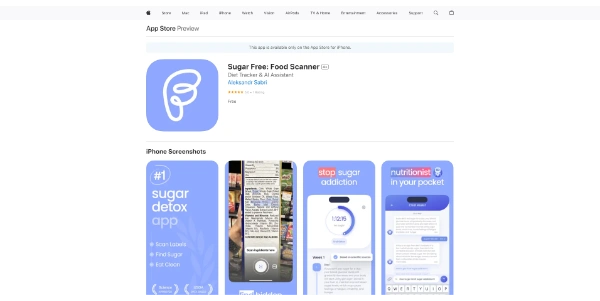
Sugar Free An intelligent scanner capable of
#6

Healthcare

Free

An intelligent scanner capable of detecting sugar levels in any food. It also provides personalized recommendations and helps overcome sugar addiction.
Beducated An AI conversational agent to
#8

Healthcare

Freemium

An AI conversational agent to improve your physical and sexual attractiveness. Get to know your body better.
X-ray Interpreter An AI tool for interpreting
#11

Healthcare

Paid

An AI tool for interpreting various types of radiographs. Get a quick initial assessment and better understanding before medical consultation.
Neural Consult A host of AI tools
#12

Healthcare

Free

A host of AI tools to improve your skills in the medical sector: exam questions, Anki cards, clinical simulations, etc..
HealthKey An AI capable of summarizing
#13

Healthcare

Free-Trial

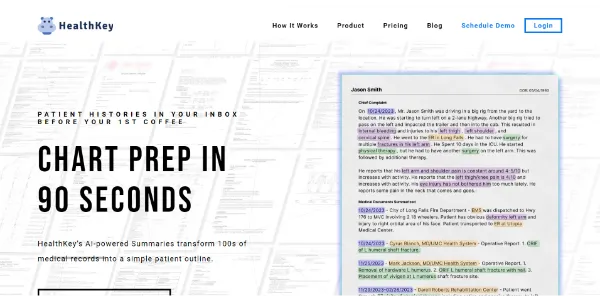
An AI capable of summarizing medical records very quickly. Obtain patient histories in less than 90 seconds.
Docus AI An AI assistant that looks
#14

Healthcare

Freemium

An AI assistant that looks after your health with personalized advice. Access also to the advice of renowned medical experts.
Friend AI An AI companion for overcoming
#15

AI Devices and Robots

Paid

An AI companion for overcoming loneliness that can interact emotionally with you via a discreet pendant. An original concept focused on well-being.
Crosby Health A complete solution for hospitals
#15

Healthcare

Paid

A complete solution for hospitals to generate, submit and track claims. This AI has been trained on millions of clinical cases.
Medical Chat An intelligent chatbot to help
#17

Healthcare

Free

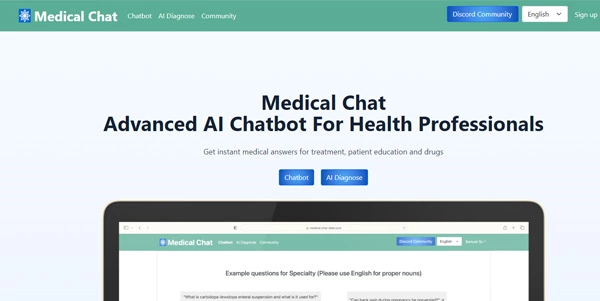
An intelligent chatbot to help healthcare professionals get accurate answers to complex medical questions.

AI healthcare tools can help you understand symptoms, track wellbeing, or support medical research — but they are informational tools, not medical professionals. This category collects AI tools for health information, wellness support, and clinical research. None of these tools are a substitute for a diagnosis, treatment, or advice from a qualified doctor.

What Are AI Healthcare Tools?

AI healthcare tools apply machine learning to health-related tasks — explaining possible causes of symptoms, analyzing images for early skin condition indicators, supporting mental wellbeing through structured check-ins, or helping medical professionals and researchers process clinical literature and data faster.

Types of AI Healthcare Tools

Symptom Checkers & Health Assistants

Describe your symptoms and get information on possible causes and general guidance on next steps — intended to inform, not to replace an actual medical evaluation.

Medical Imaging & Diagnostic Aids

AI tools that analyze medical images (like skin photos or scans) for patterns, generally used to flag things worth discussing with a doctor rather than to self-diagnose.

Mental Health & Wellbeing Support

Structured check-ins, coping tools, and conversational support for everyday stress and wellbeing — not a replacement for therapy or crisis support when professional care is needed.

Medical Research & Clinical Tools

Tools built for healthcare professionals and researchers — summarizing medical literature, supporting clinical documentation, or accelerating biomedical research.

Key Features to Compare

  • Clear scope and limitations — trustworthy tools clearly state they don’t replace professional medical advice.
  • Data privacy — how sensitive health information is stored, encrypted, and whether it’s shared with third parties.
  • Source transparency — for symptom and research tools, whether information is backed by cited medical sources.
  • Professional oversight — whether the tool was developed with or reviewed by licensed medical professionals.
  • Emergency guidance — whether the tool clearly directs users to emergency services for urgent symptoms.

Who Uses AI Healthcare Tools?

Individuals use symptom checkers to decide whether a concern needs a doctor’s visit; people managing everyday stress use wellbeing support tools between therapy sessions; and healthcare professionals and researchers use clinical and research tools to process medical literature and documentation more efficiently.

The Future of AI in Healthcare

These tools keep improving as informational aids and research accelerators, while professional medical judgment remains essential for diagnosis and treatment decisions. Below, explore our curated, regularly updated list of AI healthcare tools — always consult a qualified healthcare professional for actual medical concerns.

Frequently Asked Questions

Can an AI symptom checker diagnose me?

No. AI symptom checkers provide general information about possible causes based on the symptoms you describe, but they cannot examine you or order tests — always see a qualified doctor for an actual diagnosis.

What should I do if I have a medical emergency?

Do not use an AI tool for a medical emergency — call your local emergency number or go to the nearest emergency room immediately. AI healthcare tools are designed for general information, not urgent or emergency situations.

Is my health data safe with AI healthcare tools?

It varies by provider — look for tools with clear data privacy policies, encryption, and relevant health data compliance (such as HIPAA in the US) before sharing sensitive health information.

Are AI healthcare tools free to use?

Many offer free basic access, with paid plans unlocking more detailed features, professional tools, or continued support — check each tool’s specific offering.

Can AI mental health tools replace therapy?

No. AI wellbeing tools can offer general support and coping strategies between sessions, but they are not a substitute for therapy, and are not appropriate for a mental health crisis — seek support from a licensed professional or crisis service if you need it.

How accurate are AI medical imaging tools?

These tools are generally designed to flag patterns worth a professional’s attention, not to provide a final diagnosis — any concerning result should always be followed up with an in-person evaluation by a qualified healthcare provider.