Best AI Research & Science Tools (2026)

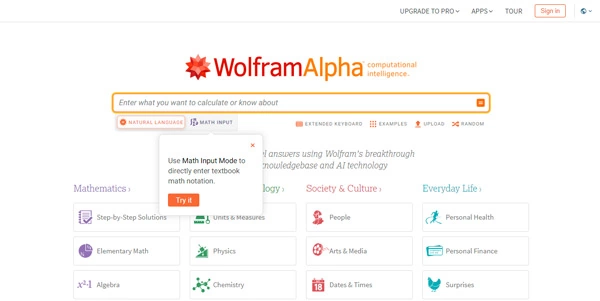
WolframAlpha Calculate or ask anything you
#2

Research & Science

Freemium

Calculate or ask anything you want to this incredible AI, expert in science (very advanced level).
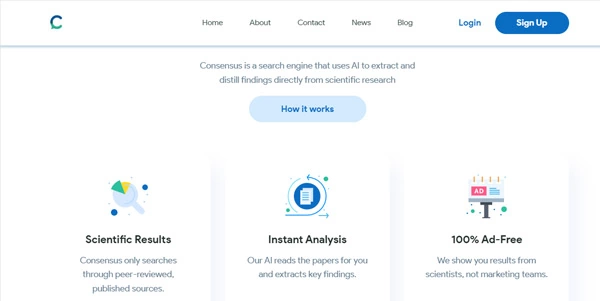
Consensus Get deep insight into scientific
#3

Research & Science

Free

Get deep insight into scientific research from an AI-powered search engine.
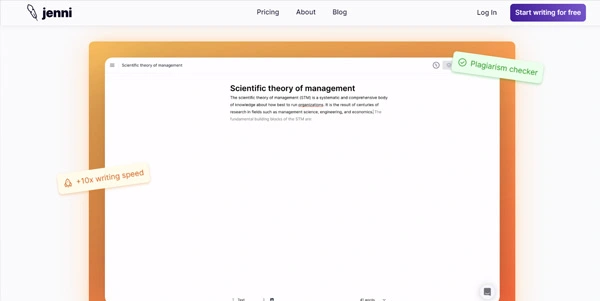
Jenny AI Write research papers faster. AI
#7

Text Generators

Freemium

Write research papers faster. AI cites sources, completes your sentences, summarizes papers and paraphrases. Export to LaTeX or Word.
OpenRead An AI-based tool that extracts,
#11

Research & Science

Free

An AI-based tool that extracts, summarizes and analyzes any academic document or scientific paper.
Scite.ai An AI search platform for
#12

Search engine

Paid

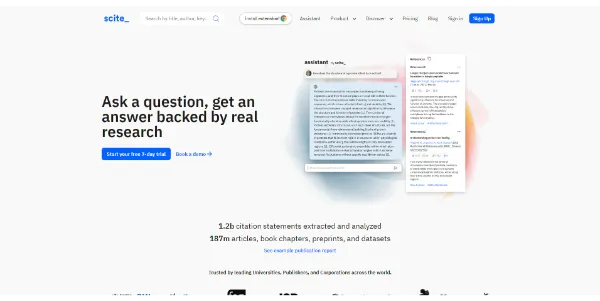
An AI search platform for discovering and evaluating scientific articles. Search 1.2 billion citations and 187 million articles.
Semantic Scholar Explore 220 million scientific publications
#13

Search engine

Free

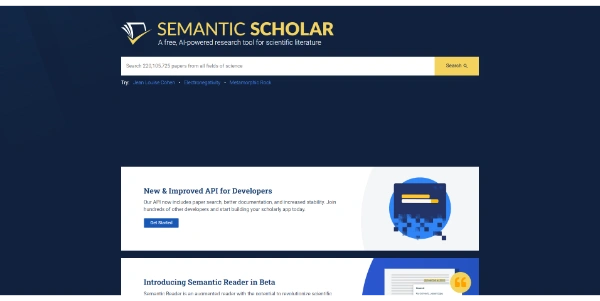
Explore 220 million scientific publications with a semantic AI search engine and a powerful API for developers.
AI Scientist by Sakana Discover the first AI system
#13

Research & Science

Free

Discover the first AI system to automate scientific research. It generates ideas, conducts experiments and writes papers. An iterative and open process.
AlphaFold 3 (Google DeepMind) An AI model that can
#15

Research & Science

Free

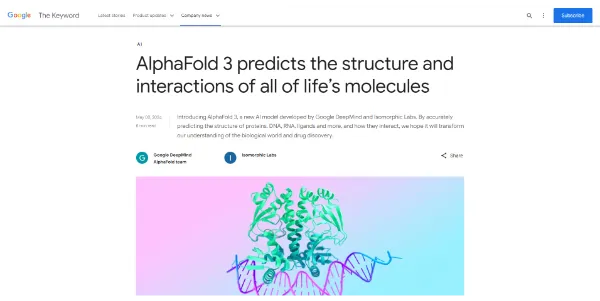
An AI model that can predict the structure and interactions of all living molecules. Potential: transform biology and drug discovery by accurately modeling proteins, DNA, RNA and ligands.
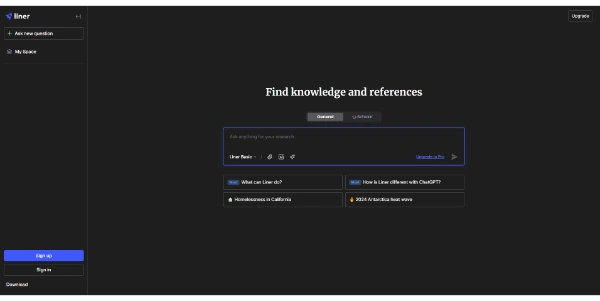
Liner AI An AI copilot for your
#15

Search engine

Free

An AI copilot for your workspace, powered by ChatGPT. Quickly find information and reference sources to improve your research efficiency.
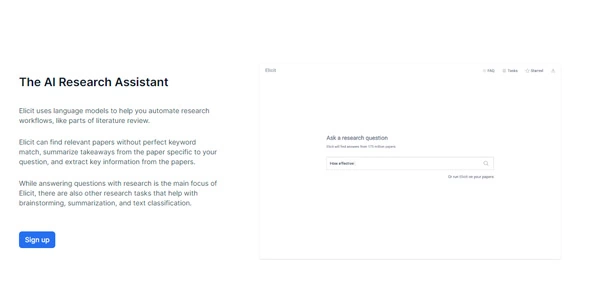
Elicit Classify, summarize, analyze or automate
#17

Research & Science

Freemium

Classify, summarize, analyze or automate your searches with the power of AI.
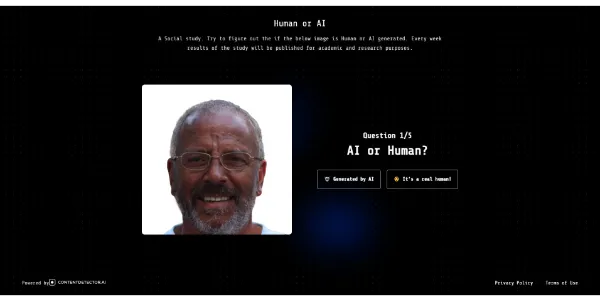
Human or AI? A game in which you
#17

AI Games

Free

A game in which you have to guess whether an image has been produced by a human or an AI. The results of this study are published every week.

Reading a dense academic paper cover to cover can take hours; asking an AI to explain its key findings takes seconds. AI research tools help students, academics, and scientists navigate scientific literature faster — this category collects the best AI tools for paper summarization, literature search, and domain-specific research.

What Are AI Research Tools?

AI research tools apply language models to scientific and academic work — summarizing dense papers in plain language, mapping citation networks to find related research, answering questions about a paper’s methodology, or assisting with domain-specific tasks in fields like biology and chemistry.

Types of AI Research Tools

Paper Summarization & Explanation

Upload or link a research paper and get a plain-language summary of its key findings, methodology, and conclusions, without reading the full text.

Literature Search & Citation Mapping

Discover related papers and visualize citation networks, helping you find relevant prior work faster than manual database searching.

Domain-Specific Science AI

Specialized tools trained on specific scientific fields — like biology or chemistry — assisting with tasks unique to that domain, such as protein analysis or literature relevant to a specific field.

Research Q&A Assistants

Ask direct questions about a body of research and get an answer synthesized from multiple sources, with references back to the original papers.

Key Features to Compare

  • Source citations — whether answers link back to the specific paper or section, so you can verify claims.
  • Database coverage — which academic databases or journals the tool actually searches.
  • Field specialization — general-purpose tools versus ones trained specifically for a scientific domain.
  • Update frequency — how current the tool’s index is for tracking newly published research.
  • Export & citation formatting — whether the tool exports properly formatted citations for your reference manager.

Who Uses AI Research Tools?

Students use paper summarizers to grasp dense readings faster; academics use citation mapping tools to discover related prior work; scientists in specialized fields use domain-specific AI for tasks unique to their research; and journalists use research Q&A tools to quickly understand scientific topics for reporting.

The Future of AI Research Tools

These tools keep improving at tracking the most current literature and providing verifiable, well-cited answers rather than generic summaries. Below, explore our curated, regularly updated list of the best AI research tools — compare accuracy, database coverage, and pricing for your research needs.

Frequently Asked Questions

Can I trust AI-generated summaries of research papers for academic work?

Treat AI summaries as a starting point, not a substitute for reading the original paper — always verify key findings, methodology details, and quotes against the source before citing them in your own academic work.

Will AI research tools replace peer review?

No, these tools help researchers navigate and understand existing literature faster, but peer review — expert evaluation of new research before publication — remains a separate, essential process these tools don’t replace.

Are AI research tools free for students and academics?

Many offer a free tier with limited papers or queries per month, and some provide academic or student discounts on paid plans — check each tool for education-specific pricing.

How accurate are domain-specific science AI tools?

Accuracy varies by tool and field — specialized tools trained on a specific scientific domain generally perform better within that domain than general-purpose AI, but results should still be verified against established scientific sources.

Do AI research tools stay current with newly published papers?

Update frequency varies by tool — some index new papers regularly, while others may lag behind the most recent publications, so check a tool’s update frequency if working with cutting-edge research.

Can AI citation mapping tools help me find papers I might have missed?

Yes, citation mapping tools are specifically designed to surface related work through citation networks, often revealing relevant papers that keyword search alone might miss.