

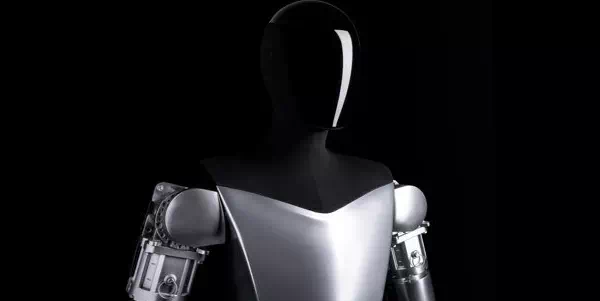
Humanoid robotics is stepping out of science fiction and entering industrial manufacturing. Tesla Optimus (also known as Tesla Bot) is a general-purpose, bi-pedal robot designed to take over dangerous, repetitive, and labor-intensive tasks.
Quick Answer
Tesla Optimus is a humanoid bipedal robot developed by Tesla, Inc. to perform manufacturing, logistics, and household chores. It is built for factories, warehouse operators, and eventually domestic help. The primary use case is automating physical labor in structured environments, with the key advantage of leveraging Tesla’s proprietary Full Self-Driving (FSD) neural networks for spatial awareness and navigation.
Table of Contents
Full Introduction to Tesla Optimus
Announced by Elon Musk in 2021, the Tesla Optimus project aims to address global labor shortages by building a mass-producible humanoid robot. By reusing Tesla’s automotive engineering and software pipelines, the bot represents a major leap in robotics scale.
Optimus has progressed through multiple prototype generations, moving from basic walking models to advanced human-like hand coordination. It stands as a prime example of the best AI robots and robotic platforms, designed to fundamentally reshape factory floor operations.
How Does Tesla Optimus Work?
Tesla Optimus runs on the same artificial intelligence platform that powers Tesla’s electric vehicles. It uses a custom computer board to process visual inputs from multiple cameras embedded in its head, creating a real-time 3D map of its surroundings.
The robot’s limbs are driven by custom electromechanical actuators designed by Tesla. Its hands have high degrees of freedom, using force sensors to handle delicate objects (like eggs) or heavy tools with equal precision, while neural networks predict balance adjustments dynamically.
Key Features
- FSD AI Integration: Utilizes Tesla’s Full Self-Driving computer and neural networks for navigation.
- Human-Like Hands: Advanced hands with sensory feedback capable of gripping tools and delicate items.
- Custom Actuators: In-house designed joints that optimize power efficiency and torque delivery.
- Bi-pedal Locomotion: Balance systems that allow walking, turning, and squatting on uneven terrain.
- Tesla Ecosystem Sync: Communicates and coordinates with other Tesla machinery and factory systems.
Pros and Cons
Advantages
- Scalable Production: Leverages Tesla’s high-volume manufacturing capabilities to lower purchase costs.
- Unified Software: Benefits from continuous OTA software and neural network updates.
- Versatile Design: Built to do any physical job rather than focusing on a single task.
Disadvantages
- Development Stage: Still in prototype testing phases, with limited deployment in active factories.
- Public Trust: Safety concerns regarding large bipedal machines operating near human workers.
Use Cases
Automotive Factory Assembly
Moving battery cells, carrying heavy car panels, and performing quality inspections inside Tesla gigafactories.
Warehouse Logistics
Unloading shipping crates, sorting parcels, and moving storage bins across structured warehouse environments.
Technical Specifications
Here are the target technical specifications for the latest Optimus generation:
- Height: 5 feet 8 inches (173 cm)
- Weight: 125 lbs (56 kg)
- Carrying Capacity: 45 lbs (20 kg)
- Deadlift Capacity: 150 lbs (68 kg)
- Max Speed: 5 mph (8 km/h)
Price and Availability
Elon Musk has stated that Tesla aims to price Optimus at under $20,000 once mass production is fully established. It is currently being deployed internally inside Tesla gigafactories for validation, with external shipments projected for late 2026 or 2027.
Price details may change over time. It is highly recommended to check the official Tesla updates for the latest information.
Comparison with Competitors
| Specification | Tesla Optimus | Boston Dynamics Atlas | Figure 02 |
|---|---|---|---|
| Primary Intelligence | FSD Auto-pilot AI | Control Systems / AI | OpenAI Partnership |
| Locomotion Type | Bipedal Electric | Bipedal Hydraulic/Electric | Bipedal Electric |
| Target Price | < $20,000 | High (R&D Platform) | Commercial Leasing |
Who Should Watch Tesla Optimus?
Who Should Watch?
Manufacturing executives looking to automate repetitive line labor, tech investors, robotics engineers, and automation enthusiasts interested in next-generation hardware.
Who Shouldn’t Watch?
Small business owners seeking immediate, off-the-shelf automation solutions that can be deployed today, as Optimus is still in active development.
Best Humanoid Robot Competitors
- Figure 02: A humanoid robot focused on commercial logistics, backed by BMW and OpenAI.
- Boston Dynamics Atlas: The gold standard for athletic bipedal robotics, now fully electric.
- Apptronik Apollo: A commercial humanoid robot designed to work alongside human warehouse crews.
This tool also fits well in our future tools categories.
Frequently Asked Questions
When can I buy a Tesla Optimus?
Optimus is not yet available for public purchase. Tesla expects to ship the first commercial units to external buyers around late 2026.
How much will Tesla Optimus cost?
Tesla targets a long-term production price of less than $20,000, which is cheaper than most modern electric cars.
What runs the artificial intelligence in Tesla Optimus?
It runs on Tesla’s FSD neural networks, trained using real-world video data collected from millions of Tesla vehicles.
Can Optimus perform household tasks?
While gigafactory labor is the initial focus, Tesla plans to update the robot’s software eventually to handle domestic tasks like cleaning, carrying groceries, and cooking.
How long does the battery last?
Optimus is designed to carry a 2.3 kWh battery pack integrated into its torso, which is expected to support a full day of typical light labor.
Can it walk on stairs?
Yes, its balance algorithms allow it to detect stairs and climb them slowly, adjusting its gait using sensory feedback.
Is Tesla Optimus safe to work around?
Tesla is implementing strict hardware-level safety locks and emergency stop routines to ensure the robot ceases all motion immediately if a collision is detected.
How heavy is the robot?
The latest prototypes weigh approximately 125 lbs (56 kg), using lightweight composite materials to maximize battery life.