Best AI Devices & Robots (2026 Guide)

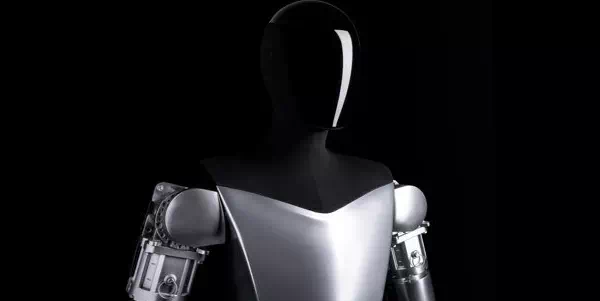
Tesla Optimus A futuristic humanoid robot developed
#1

AI Devices and Robots

Free

A futuristic humanoid robot developed by Tesla that aims to perform basic tasks. It incorporates advanced automation and AI technology.
Atom Limbs Revolutionary AI-driven robotic arm prostheses:
#3

AI Assistive technology (AT)

Paid

Revolutionary AI-driven robotic arm prostheses: mental control, tactile feedback, natural amplitude. The future for 100 million amputees worldwide.
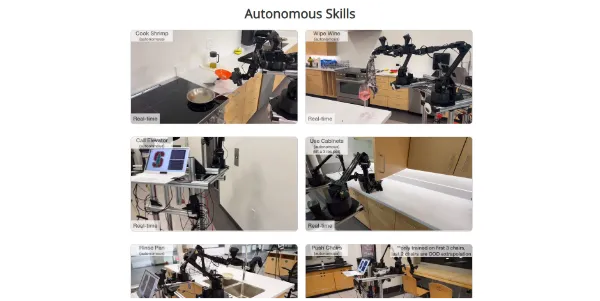
Mobile ALOHA An AI-assisted robot that can
#3

AI Devices and Robots

Paid

An AI-assisted robot that can help you with your daily chores: cooking, washing up, tidying up, cleaning, etc..
Neuralink A brain-machine interface available as
#5

AI Devices and Robots

Paid

A brain-machine interface available as an AI chip with enormous potential: giving back autonomy to paralyzed or visually impaired people, controlling a computer by thought, etc..
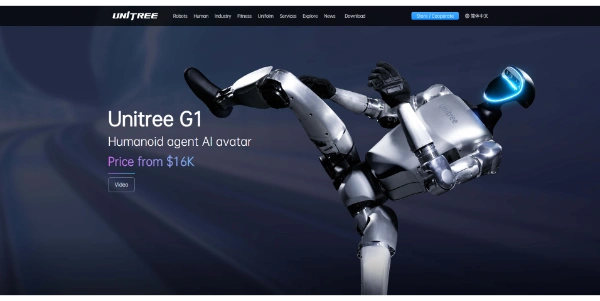
Unitree G1 An advanced humanoid robot with
#7

AI Devices and Robots

Paid

An advanced humanoid robot with built-in AI. Program it easily, test locomotion algorithms and explore robotics at home.
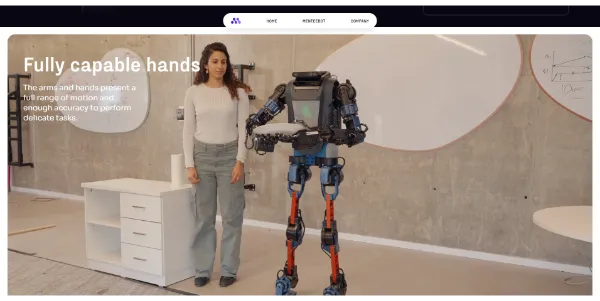
mentee robot An AI robot that can
#8

AI Devices and Robots

Paid

An AI robot that can understand and execute your voice instructions. It can move around by mapping its environment in 3D, in real time.
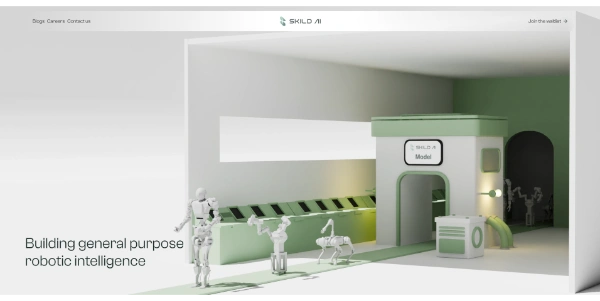
Skild.ai A platform for training AI
#9

AI Devices and Robots

Paid

A platform for training AI models for the world of robotics. It enables robots to perform a multitude of complex tasks autonomously and safely.
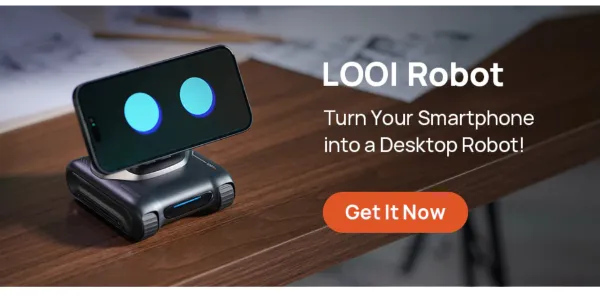
Robot LOOI Bring your smartphone to life
#10

AI Devices and Robots

Paid

Bring your smartphone to life with a playful desktop robot. Interact, play, film and capture special moments with its built-in AI.
Willow X An AI robot that mows,
#11

AI Devices and Robots

Paid

An AI robot that mows, weeds, collects waste and harvests fruit. Equipped with gripper arms, it adapts to all garden tasks.
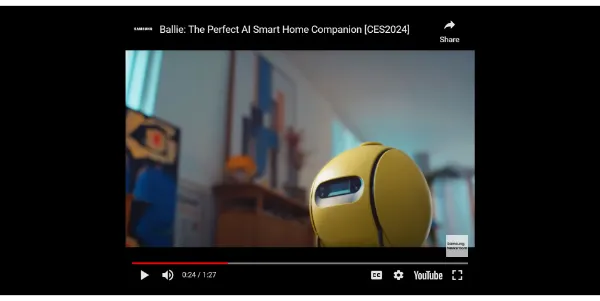
Ballie by Samsung A companion AI robot that
#12

AI Devices and Robots

Paid

A companion AI robot that follows you everywhere. It can take control of your connected devices or project video content.
Frame by Brilliant Labs Open-source AR glasses with AI
#13

AI Devices and Robots

Paid

Open-source AR glasses with AI superpowers: real-time visual analysis, translation, live web search and more. Build and modify at will.
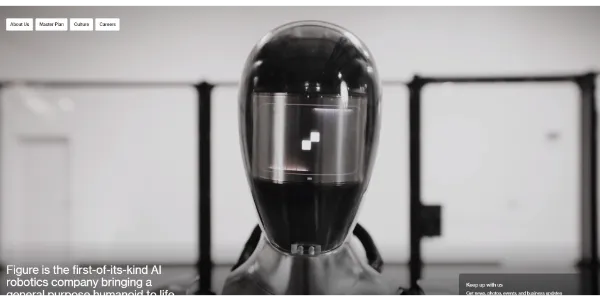
Figure AI An AI-powered robotics company that
#14

AI Devices and Robots

Paid

An AI-powered robotics company that designs humanoids. Their figure 01 robot is an expert in logistics, manufacturing and retailing.

AI is moving off the screen and into the physical world — humanoid robots, wearable AI pendants, and smart glasses are turning from research demos into real products. This category collects the best AI devices and robots, from wearables you can buy today to humanoid robotics platforms shaping what’s next.

What Are AI Devices & Robots?

AI devices and robots combine physical hardware with AI models that let them perceive, understand, and act in the real world — ranging from a wearable that transcribes your conversations, to a humanoid robot designed for general-purpose physical tasks.

Types of AI Devices & Robots

Humanoid & General-Purpose Robots

Robots designed to operate in human environments and perform a range of physical tasks, representing some of the most ambitious current robotics research and early commercial deployment.

Wearable AI Devices

Pendants, pins, and similar wearables that listen, transcribe, and assist throughout your day, functioning as an always-available AI companion separate from your phone.

AR & Smart Glasses with AI

Glasses that overlay AI-powered information and assistance directly into your field of view, combining augmented reality with conversational AI capabilities.

Home & Task-Specific Robots

Purpose-built robots for specific tasks like mowing a lawn or home companionship, more narrowly focused than general-purpose humanoid platforms.

Key Features to Compare

  • Availability — many advanced robotics platforms are still in limited release or research phases rather than widely purchasable.
  • Privacy — for wearables that listen or record, how audio data is stored, processed, and whether it’s used for training.
  • Battery life & portability — practical considerations for devices meant to be worn or carried all day.
  • Task scope — general-purpose devices versus ones built for one specific job.
  • Price — costs vary enormously, from consumer wearables to research-grade robotics platforms.

Who Uses AI Devices & Robots?

Early adopters use wearables to capture and organize conversations and ideas throughout the day; researchers and robotics companies develop humanoid platforms for industrial and consumer applications; accessibility users benefit from AI-powered assistive hardware; and businesses explore task-specific robots for repetitive physical work.

The Future of AI Devices & Robots

Physical AI is one of the fastest-moving frontiers, with humanoid robotics and wearable devices both advancing quickly toward broader real-world deployment. Below, explore our curated, regularly updated list of the best AI devices and robots — compare availability, features, and pricing.

Frequently Asked Questions

Can I actually buy a humanoid robot today?

Most humanoid robots are still in limited release, research, or early commercial deployment phases rather than widely available consumer products — check each specific platform’s current availability, as this changes rapidly.

Do AI wearables that listen to conversations raise privacy concerns?

Yes, this is an important consideration — review how each device stores and processes audio, whether it requires consent notifications for other people present, and your local laws around recording conversations.

How much do AI devices and robots cost?

Costs vary enormously, from a few hundred dollars for consumer wearables to research-grade pricing for advanced robotics platforms — check current pricing directly, as this category evolves quickly.

Are AI wearables safe to use around other people?

Many wearables that record audio are designed with privacy features, but it is good practice to inform people that a conversation is being recorded or transcribed, both out of courtesy and to comply with local recording laws.

How is AI in smart glasses different from just using a smartphone?

AR glasses aim to provide hands-free, always-available AI assistance directly in your field of view, rather than requiring you to pull out and look at a phone screen — the tradeoff is currently more limited functionality and battery life than a full smartphone.

Are brain-computer interfaces available for general use?

No, current brain-computer interface technology is primarily in clinical trials and research phases, focused on specific medical applications rather than general consumer availability.