Best AI Face Swap & Deepfake Tools

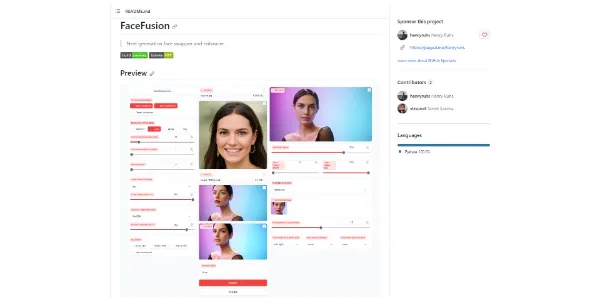
FaceFusion Generate DeepFake videos and play
#1

Face Swap & DeepFake

Free

Generate DeepFake videos and play the role of anyone you like: a movie hero, a singing star, etc..
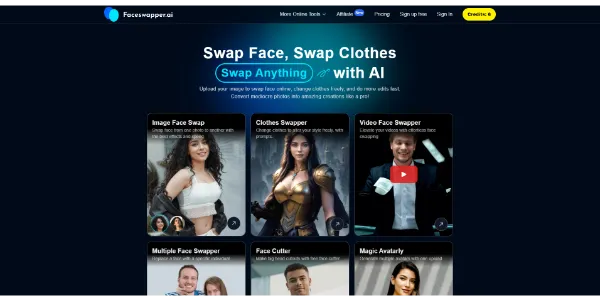
FaceSwapper Replace any face in your
#2

Face Swap & DeepFake

Freemium

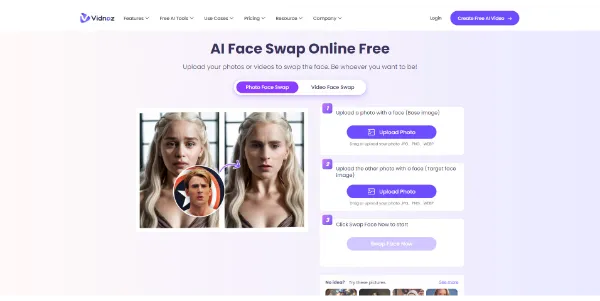
Replace any face in your photos or videos realistically with AI. Change clothes instantly, create avatars and much more.
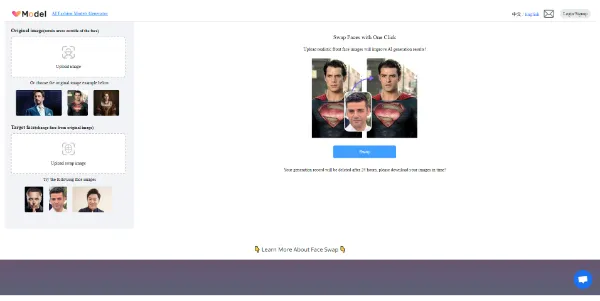
Face Swap by Remaker Easily swap faces in your
#3

Face Swap & DeepFake

Free

Easily swap faces in your photos using a free, secure online tool. Perfect for creating humorous videos, memes and more.
Misgif Replace the face of a
#6

Face Swap & DeepFake

Free

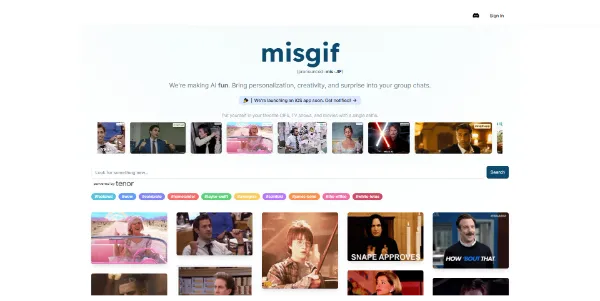
Replace the face of a character in a GIF with your own, thanks to an AI technique called Faceswap. Also includes editing tools.
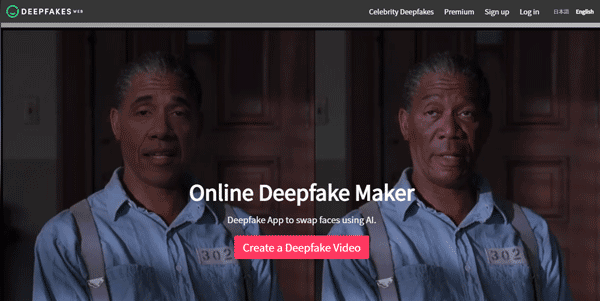
Deepfakes.lol Create DeepFake videos with powerful,
#7

Face Swap & DeepFake

Freemium

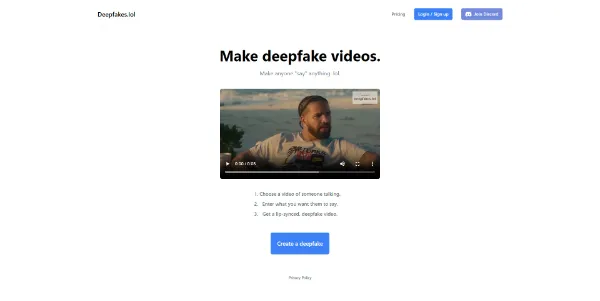
Create DeepFake videos with powerful, realistic lip-synching. Share and discuss your creations on a dedicated Discord server.
DeepSwapper AI Quickly swap your face on
#8

Face Swap & DeepFake

Free

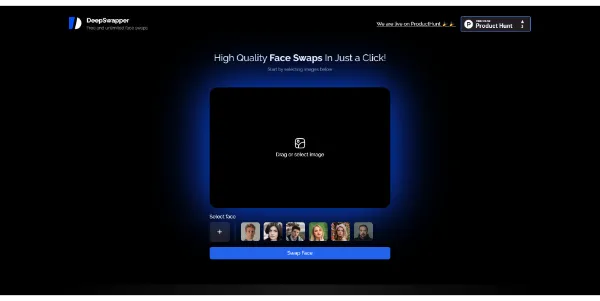
Quickly swap your face on an image using the face swap technique. The result is realistic, watermarked and it’s free.
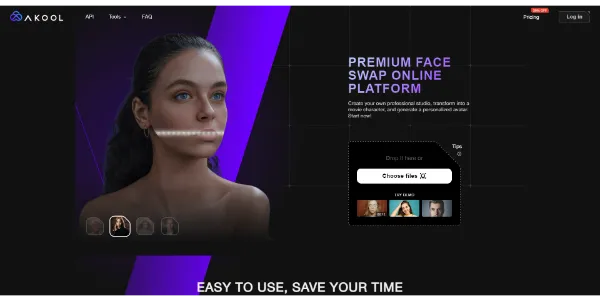
Face Swap by Akool Swap your face like a
#9

Face Swap & DeepFake

Freemium

Swap your face like a pro with the help of a premium platform. Transform yourself into a movie character or create personalized avatars.
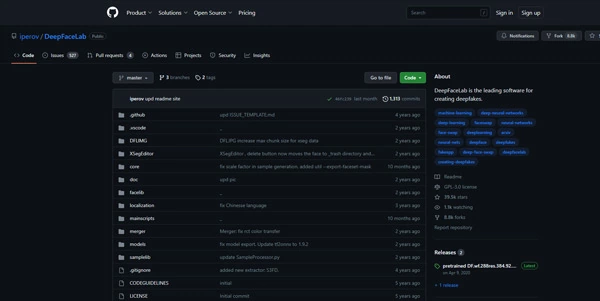
DeepFaceLab Creation of relevant Deepfakes. Swap
#10

Face Swap & DeepFake

Free

Creation of relevant Deepfakes. Swap your face while keeping a realistic and high quality video.
Swapface AI to make realistic face
#12

Face Swap & DeepFake

Free

AI to make realistic face swaps in real time. Ideal for streaming, video calls, etc..
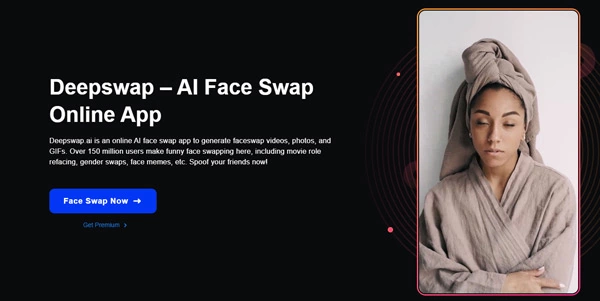
DeepSwap AI-generated Face Swap from any
#13

Face Swap & DeepFake

Freemium

AI-generated Face Swap from any of your photos, GIFs or videos. Replace any face with ease.

AI face swap and deepfake tools can convincingly replace a face in a photo or video, alongside detection tools built to spot this kind of manipulated content. This category collects both creation and detection tools — always get consent before using someone else’s likeness, and check platform and local laws before publishing.

What Is AI Face Swap & Deepfake Technology?

Face swap and deepfake tools use AI to replace or realistically recreate a person’s face in an image or video. The same underlying technology powers both playful entertainment uses and detection tools designed to identify manipulated media — an increasingly important counterpart as the technology becomes more convincing.

Types of Face Swap & Deepfake Tools

Photo Face Swap Tools

Swap a face between two static images, commonly used for entertainment, memes, or creative photo editing.

Video Face Swap & Deepfake Generators

Replace a face throughout a video with realistic motion and expression tracking, a more technically demanding process than a single-image swap.

Deepfake Detection Tools

Analyze images or video to flag signs of AI manipulation, helping verify whether content is authentic — an increasingly important tool as deepfakes become harder to spot by eye.

Face Animation & Reenactment

Animate a single still photo to move and speak, distinct from a full face swap since it doesn’t necessarily use a second person’s face.

Key Features to Compare

  • Consent safeguards — whether the platform has policies or verification requiring consent before processing someone’s likeness.
  • Detection accuracy — for detector tools, how reliably it identifies manipulated content versus authentic media.
  • Output realism — how convincing the swap looks, especially in video with lighting and motion changes.
  • Platform policy — clear terms of service prohibiting non-consensual or harmful use.
  • Watermarking — whether generated content is labeled as AI-created to reduce potential for deception.

Who Uses Face Swap & Deepfake Tools?

Content creators use face swap tools for entertainment and creative video effects; film and game studios use face reenactment for visual effects work; journalists and fact-checkers use detection tools to verify suspicious media; and platforms and researchers use detection technology to help identify manipulated content at scale.

Using These Tools Responsibly

Only use someone’s likeness with their clear consent, and never use face swap or deepfake tools to impersonate, deceive, or harass another person — doing so can violate platform policies and, depending on your location, the law. Below, explore our curated, regularly updated list of face swap, deepfake, and detection tools.

Frequently Asked Questions

Is it legal to use face swap tools on someone else’s photo or video?

Using face swap technology on your own images, or someone else’s with their clear consent, is generally acceptable. Creating deepfakes of real people without consent — especially to deceive, harass, or impersonate — can violate platform policies and, in many jurisdictions, the law.

How can I tell if a video is a deepfake?

Look for subtle inconsistencies like unnatural blinking, mismatched lighting on the face versus the background, or odd edges around the face — though the best deepfakes are increasingly hard to spot by eye, which is exactly why dedicated detection tools exist.

Are face swap tools free to use?

Many offer a free tier with limited swaps or lower resolution output, with paid plans unlocking higher quality, more swaps, and video-length processing.

Can platforms detect and remove deepfake content?

Most major platforms have policies against harmful deepfakes and use a combination of automated detection and user reporting to remove violating content, though enforcement varies and isn’t always immediate.

Is it okay to use face swap tools for fun content like memes?

Using your own face, or a friend’s with their permission, for lighthearted content is generally fine — the concern is specifically around using a real person’s likeness without consent, especially in a way that could mislead or harm them.

Can I make a deepfake of a celebrity or public figure?

Even for public figures, creating deepfakes without consent carries legal and ethical risk, particularly if the content could be mistaken for real or is used commercially — many platforms explicitly prohibit this regardless of the person’s public status.